2026-02-03, 16:25–16:50, B.1.011
Amazon Bedrock makes it easy to start building with generative AI, but managing it with Infrastructure as Code is another story.
In this talk I’ll go through what actually works right now when using OpenTofu and the AWS CDK to define a small Bedrock environment.
I’ll show what parts you can manage cleanly, what still needs workarounds, and how both tools can fit together in a simple workflow.
The goal is to give an honest view of where things stand and what you can expect if you try to do this yourself today.
Generative AI services like Amazon Bedrock are becoming common, but the Infrastructure as Code support for them is still limited.
This session looks at what can be done today using OpenTofu and AWS CDK together to manage a small Bedrock setup on AWS.
I’ll build a simple proof of concept that uses:
• OpenTofu for core AWS infrastructure (VPC, S3, IAM)
• CDK for Bedrock resources (Knowledge Base, Agent)
• A small integration step to run both tools in sequence
The talk focuses on what worked, what didn’t, and how close we are to being able to manage Bedrock workloads fully through IaC.
It’s meant for engineers and architects who want a realistic view of what’s possible right now, not a perfect demo.
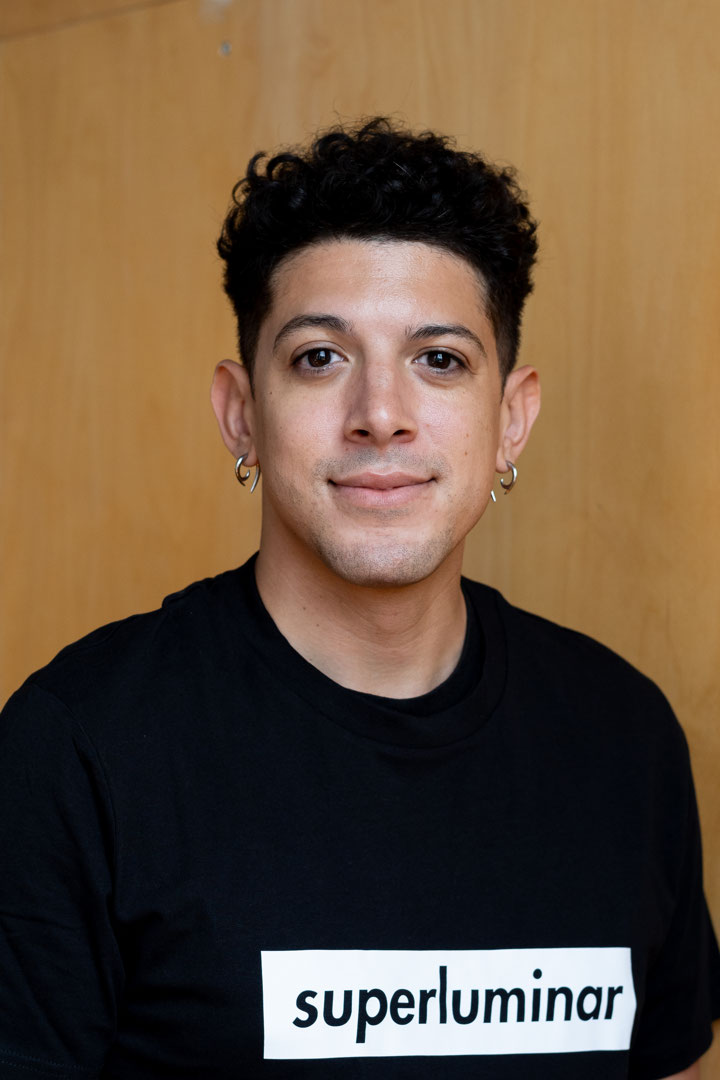
Michelangelo Markus is a Senior Consultant in Cloud Engineering at superluminar in Germany.
He works as both an architect and engineer on AWS projects, helping customers design, build, and operate cloud environments.
Before joining superluminar, he was a Solutions Architect at AWS in the US, supporting a wide range of customer projects particularly in the NPO Research sector.
His work covers most areas of AWS, including architecture, automation, migrations, AI and ML, and data engineering.